Skip to content


Alexander Iliadi
pdf

Doctor of Philology, Professor, Head of the Department of Methods of Preschool and Primary Education at Volodymyr Vynnychenko Central Ukrainian State Pedagogical University, Kropyvnytskyi, Ukraine
e-mail: alexandr.iliadi@gmail.com
ORCID ID https://orcid.org/0000-0001-5078-8316

DOI: https://doi.org/10.24195/2616-5317-2021-32-5


Key words: suffix, word-formation, Slavic, dialect, derivative.


The paper focusestwo word-formation models, functioning into the system of Slavic dialect derivation of nouns: 1) -da, -anda, -enda, -inda, -onda, -unda, -ynda; 2) -ом(а), -омля (mainly attested in the East Slavic area). Ironically, these suffixing word-formation models traditionally are ignored by authors of studies, dedicated to the derivation of nouns in Slavic dialect speech. Perhaps, above-mentioned formatives were not classified as separate means of derivation for a reason of including words with these suffixes in the category of expressive lexemes (such words are characterized by phonetic transformations resulting in the deviation of word-building structure, «mutation» of the end of the word). The author explains genesis of both series suffixes as morphologization of phonetic phenomena, which, have going beyond dialect sound processes, became separate word-building means.
With regards to some derivatives with -ом(а) is stressed, that it is the difficulty to distinguish cases, where -ом(а) shows clipping of mentioned suffix, and examples of ancient superlatives containing suffix -m- or adjectives, derived by means of participle suffix -om- involved into the system of desubstantive word-formation.


REFERENCES

Akty istoricheskie (1841–1845.). [Historical Acts]. S.-Petersburg. Т. I–V and Index [in
Russian]. Arkushyn G. L. (2000). Slovnyk zakhidno polis’kykh govirok [Dictionary of Western Polesye Dialects]. Lutsk : Vezha. Т. 1 [in Ukrainian].
Barsov N. P. (1873). Ocherki russkoy istoricheskoy geografii [Essays on Russian Historical Geography]. Warsaw [in Russian].
Etymologichny slovnyk ukrayins’koyi movy (1982–2012). [An Etymological Dictionary of the Ukrainian Language]. Kiev : Naukova dumka. Т. 1–6 [in Ukrainian].
Iliadi A. I. (2001).Etymologichne gnizdo z korenem *ver- upraslovyans’kiy movi
[Etymological Cluster with the Root *ver- in Proto-Slavic Language]. Кiev ; Kirovograd : DLAU [in Ukrainian].
Kazlova R. M. (2002). Belaruskaya i slav’anskaya gidranimiya. Praslav’anski fond
[Belarusian and Slavic Hydronymy. Proto-Slavic Stratum]. Gomel’ :GGU. Т. ІІ [in Belarusian].
Kazlova R. M. (2003). Slav’anskaya gidranimiya. Praslav’anski fond [Slavic Hydronymy. Proto-Slavic Stratum]. Gomel’ :GGU. Т. ІІІ [in Belarusian].
Kozlova R. M. (1992). Do etymologiyi imeni Асколдъ (Аскольдъ, Осколдъ) [On the
Etymology of Name Асколдъ (Аскольдъ, Осколдъ)]. Onomastyka Ukrayiny pershoho tys’acholitt’a nashoyi ery – Onomastic of Ukraine of the First Millennium AD. Кiev : Naukova dumka, 102–113 [in Ukrainian].
Kollar D. (1976). Slovatsko-russkiy slovar? [Slovak-Russian Dictionary]. Moscow ;
Bratislava : SPN ; Russkiy yazyk. Korzon’uk M. M. (1987). Materialy do slovnyka zakhidnovolyns’kykh hovirok [Contributions for Dictionary of Western Volyn Dialects]. Ukrayins’ka dialektna leksika – Ukrainian Dialect Lexics. Kiev : Naukova dumka, 62–267 [in Ukrainian].
Kostromskaya gubernia (1877). Spisok naselennykh mest po svedeniyam 1870–72 godov [Kostroma Province. The List of Settlements]. S.-Petersburg [in Russian].
Magnitskiy V. K. (1905).Chuvashskie yazycheskie imena [Chuvash Pagan Names]. Izvestia Obshchestva arkheologii, istorii i etnografii– Reports of the Society of Archaeology, History and Ethnography. Kazan’. Т. XXI. Vol. 3–4, 33–101 [in Russian].
Nikonchuk N. V. (1968). Iz leksiki polesskogo sela Listvin [From the Vocabulary of Polesye Vilage Listvin]. Leksika Polesya – Polesye Lexics. Moscow : Nauka, 79–92 [in Russian].
Pants’o S. Ye. (1995). Antroponimia Lemkivshchyny [Anthroponymy of Lemkovshchyna]. Ternopil’ : Ternopil’ [in Ukrainian].
Petleva I. P. (1979). Еtimologicheskie zametki po slav’anskoy leksike [Etymological Notes on Slavic Vocabulary]. Etimologia 1977 – Etymology 1977. Мoscow : Nauka, 33–38 [in Russian].
Rastorgueva V. S., Еdel’man D. I. (2003) Еtimologicheskiy slovar’ iranskikh yazykov
[Etymological Dictionary of the Iranian Languages]. Moscow : Vostochnaya literatura. T. 2 [in Russian].
Slovar’ ukrayins’koyi movy (1907). [Dictionary of the Ukrainian language]. Kiev. T. 1 [in Ukrainian].
Smolitskaya G. P. (1976).Gidronimia basseyna Oki [Hydronymy of Oka Basin]. Moscow : Nauka [in Russian].
Stankov R. (2012). Еtimologicheskie zametki [Etymological Notes]. Slav’anskoe i balkanskoe yazykoznanie – Slavicand Balkan Linguistics. Мoscow : Nestor-Istoria, 308–313 [in Russian].
Trubachev O. N. (ed.) (1974–1990). Еtimologicheskiy slovar’ slav’anskikh yazykov [An
Etymological Dictionary of Slavic Languages]. Мoscow : Nauka. Vol. 1–16 [in Russian].
Vasmer M. (1987). Еtimologicheskiy slovar’ russkogo yazyka [Russisches etymologisches W’rterbuch]. Moscow : Progress. T. III [in Russian].
Filin F. P., Sorokoletov F. P. (eds.) (1965–2019).Slovar’ russkikh narodnykh govorov [The Dictionary of Russian Folk Dialects]. Leningrad ; S.-Petersburg. Vol. 1–51 [in Russian].
Chabanenko V. A. (1992).Slovnik hovirok Nyzhn’oyi Naddnipr’ anshchyny [The Dictionary of Low Dnieper Region Dialects]. Zaporizhzh’a : ZDU. Т. I–IV [in Ukrainian].
Chaykina Yu. I. (1995).Vologodskie familii: Еtimologicheskiy slovar’ [Vologda Surnames: Etymological Dictionary]. Vologda : VGPI ; Rus’ [in Russian].
Chuchka P. P. (1970). Antroponimiya Zakarpatt’a [Anthroponymy of Transcarpatia].
Uzhhorod : UDU [in Ukrainian].

Chygryn I. P. (1979). Yashche z leksiki nashay veski [Fromthe Vocabulary of our Village]. Narodnaya Slovatvorchasts’ – Folkword-formation. Minsk : Navuka i tekhnika, 30–40 [in Belarussian].
Shul’hach V. P. (2008). Narysy z praslovyans’koyi antroponimiyi. Ch. 1 [Essays on Proto- Slavic Anthroponymy]. Кiev : Dovira [in Ukrainian].
Benes J. (1962). O ceskych prijmenich. Praha : Ceskoslovenska Akademieved [in Czech].
Gebauer J. (1958). Historicka mluvnice jazyka ceskeho: Tvaroslovi (IICasovani). Praha :Ceskoslovenska Akademieved. D. III [in Czech].
Machek V. (1968). Etymologicky slovnik jazyka ceskeho. Praha : Ceskoslovenska
Akademieved [in Czech].
Slownik nazwisk uzywanych w Polsce na poczatku XXI wieku (2003). Krakjw [in Polish].
Slownik staropolskich nazw osobowych (1977). Wroclawetc. : PAN. T. V [in Polish].
Smoczynski W. (2007). Lietuviu kalbos etimologinis zodynas. Vilnius : Vilniaus universitetas [in Polish].
Simunovic P. (1985). Nasa prezimena: porijeklo – znacenje – rasprostranjenost. Zagreb : Nakladni zavod Matice hrvatske [in Serbian].

 

Ilona Derik
pdf

Candidate of Philology, Associate Professor at the Department of Translation and Theoretical and Applied Linguistics, State Institution "South Ukrainian National Pedagogical University named after K.D.Ushynsky", Odesa, Ukraine
e-mail: ilonaderik@gmail.com
ORCID ID:https://orcid.org/0000-0002-8979-4745

e-mail: ilonaderik@gmail.com

ORCID ID:https://orcid.org/0000-0002-8979-4745

Yevheniia Savchenko

Candidate of Philology, Assistant Professor at the Department of Translation and
Theoretical and Applied Linguistics, State Institution “South Ukrainian National Pedagogical University named after K. D. Ushynsky”, Odesa, Ukraine
e-mail: anneshirley2687@gmail.com
ORCID ID https://orcid.org/0000–0001–7000–5155

DOI: https://doi.org/10.24195/2616-5317-2021-32-4


Key words: phonetic and graphical stylistic devices, sound imitation, sound instrumentation, onomatopoeic words, assonance, alliteration.


The article is dedicated to the issue of possible difficulties of rendering phonetic and graphical stylistic devices in translating English belles-lettres texts into Ukrainian. The survey of the existing theoretical works on this topic has revealed the relevance of the sound imitation and other ways of sound instrumentation in the general stylistic and pragmatic effect of the literary work.
It has been proved that typological discrepancies on one hand, and ethnic and cultural differences on the other hand result in additional challenges for belles-lettres literature translators.
In this respect children's literature requires special techniques in translation as young readers' perception is more dependent on the translator's skill. The research was carried out on the basis of K. Grahame's fairy tale «The Wind in the Willows» and its Ukrainian translation by A. Sahan «Вітер у вербах». The phonetic and graphical stylistic devices and the mechanism of their functioning in English children's literature served as the object of the research, the subject being the peculiarities of rendering these devices in Ukrainian translation.
The objective of the research was to provide the most efficient ways of rendering the phonetic and graphical stylistic devices in translation into the typologically different language.
It has been concluded that onomatopoeic words are more aptly rendered by means of the search for the analogue, while in preserving assonance and alliteration losses in rendering are more inevitable due to the typological discrepancies on the phonetic and lexical levels. However, the employment of translation transformations allows to optimize the quality of translation.
The perspective is seen in the study of the figures of speech of other linguistic levels and the ways of their rendering in Ukrainian translation.


REFERENCES

Arnold, I.V. (2009). Stilistika. Sovremennyiy angliyskiy yazyik [Stylistics. Modern English]. Moskva: Flinta [in Russian].
Flaksman, M. A. (2016) Slovar angliyskoy zvukoizobrazitelnoy leksiki v diahronicheskom osveschenii [Dictionary of English sound vocabulary in diachronic lighting]. Sankt-Peterburg: RHGA [in Russian].
Lohvynenko, O.M. (2014). Kultura perekladu khudozhnoho tvoru: psykholohichnyi aspect [Culture of the Translation of Fiction: Psychological Aspect]. Ukrainskyi informatsiinyi prostir – Ukrainian Information Space (Vols. 2), (pp. 117-122). Kyiv: KNUKiM [in Ukrainian].
Mintsys, Yu. B. (2014). Deminutyvnist u khudozhnomu dyskursi: kohnityvnyi i
prahmatychnyi aspekty (na materiali anhlomovnoi prozy dlia ditei) [Diminutivity in artistic discourse: cognitive and pragmatic aspects (based on English prose for children)]. Ivano-Frankivsk: [in Ukrainian].
Nefodova, O. D. (2017) Realizatsiia intertekstualnoho potentsialu pretsedentnoho fenomenu "Humpty Dumpty” v anhlomovnykh tekstakh riznykh funktsionalnykh stylei [Realization of the intertextual potential of the precedent phenomenon “Humpty Dumpty” in English texts of different functional styles]. Visnyk Kharkivskoho natsionalnoho universytetu imeni V. N.
Karazina. Inozemna filolohiia. Metodyka vykladannia inozemnykh mov. (Vols. 86), (pp. 110–117). Kharkiv: Vyd-vo KhNU im. V. N. Karazina [in Ukrainian].
Sydor, L. V. (2015) Zhanrovi ta linhvostylistychni osoblyvosti nimetskoi ta ukrainskoi
charivnoi kazky [Genre and linguistic stylistic features of German and Ukrainian fairy tales].
Inozemna filolohiia. (Vols. 128), (pp. 46-54). Lviv: Svit [in Ukrainian].
Senkiv, O. M. (2015) Indyvidualno-avtorske slovotvorennia u tvorakh zhanru fentezi
[Individual-author word formation in works of the fantasy genre] Naukovyi visnyk Drohobytskoho derzhavnoho pedahohichnoho universytetu imeni Ivana Franka. Filolohichni nauky (movoznavstvo). (Vols. 3), (pp. 238-244). Drohobych: Drohobych [in Ukrainian].
Solodova, O.S. (2008) Linhvokohnityvni kharakterystyky kompozytsii tekstu anhliiskykh kazok Dzh. K. Roulinh [Linguistic and Cognitive Characteristics of the Composition of the Text of J.K. Rowling’s English Tales] Kharkiv: Khark. nats. un-t im. V. Karazina[in Ukrainian].
Vinogradov, V.V. (1963) Stilistika, teoriya poeticheskoy rechi, poetika [Stylistics, theory of poetic speech, poetics]. Moskva: Akad. nauk SSSR [in Russian].
Marchand H. Phonetic Symbolism in English Word Formation. Indogermanische
Forschungen. Bd. 64. Hf. 2. S. 146-168; Hf. 3. S. 256-277.
Oittinen R. Translating for Children. New York and London : Garland Publishing, Inc.,
2000. 205 p.


Volodymyr Glushchenko
pdf

Doctor of Science (Linguistics), Professor, Head of the Department
of Germanic and Slavonic Linguistics, Donbas State Teachers’ Training University, Sloviansk, Ukraine
e-mail: sdpunauka@ukr.net
ORCIDID: https://orcid.org/0000-0002-2394-4966

DOI: https://doi.org/10.24195/2616-5317-2021-32-3


Key words: history of the Ukrainian language, vocalism and consonantism relationship, phonological level, typology of the Slavonic languages.


P. H. Zhytetskyi’sbook «Очерк звуковой истории малорусского наречия» became a valuable contribution into Ukrainian and Slavonic studies. Zhytetskyi is credited with posing the problem of the relationship between vocalism and consonantism in the history of the Ukrainian language, and thus in the history of the Slavonic languages in general. Zhytetskyi’s thesis about «the poor» vocalism combining with «the rich» consonantism and vice versa in the Slavonic languages and in their history set the grounds of the historical typology of the Slavonic languages (on the phonological level) and proved to be really effective in the XXth ct. linguistics. It provided the principles of the Slavonic languages division into two types – a vocal and a consonant ones, which were interpreted both synchronically and diachronically (A. V. Isachenko, K. V. Horshkova, V. V. Ivanov, V. V. Kolesov).
Zhytetskyi reconstructed the systems of archytypes and the systems of phonetic rules with the similar mechanism (united by a common cause). This resulted in Zhytetskyi’s understanding of the Ukrainian phonetic system history as a chain of causally related phonetic processes on the level of the subsystems (vocalism and consonantism) and the sound categories (strong and weak, voiced and unvoiced, hard and soft consonants). Therefore, Zhytetskyi’s concept of the relationship between vocalism and consonantism in the history of the Ukrainian language has
retained its relevance in comparative and typological linguistiscs of the XX-th ct. – early XXIst ct.


REFERENCES

Glushchenko, V. A. (2001). P. H. Zhytetskyi i problemy fonolohichnoi typolohii slovianskykh mov[P. Zhytetskyi and the Issues of Phonological Typology of Slavonic Languages]. Istoriia ukrainskoi linhvistyky: zbirnyk naukovykh prats. Kyiv; Nizhyn: Nauka-servis, рр. 49–52. [inUkrainian]
Glushchenko, V. A. (1998). Pryntsypy porivnialno-istorychnoho doslidzhennia v
ukrainskomu i rosiiskomu movoznavstvi (70-i rr. ХІХ st. – 20-i rr. ХХ st.) [Principles of
Comparative-Historic Researches in Ukrainian and Russian Linguistics (70-s XIX ct. – 20-s XX ct.)]. Donetsk. [inUkrainian]
Glushchenko, V. A. (2020). U vytokiv istorychnoi typolohii slovianskykh mov: Pavlo
Zhytetskyi [In the Origins of the Historical Typology of the Slavonic Languages: Pavlo Zhytetskyi].
Teoretychni y prykladni problemy suchasnoi filolohii:zbirnyk naukovykh prats [za zahalnoiu redaktsiieiu profesora V. A. Glushchenka]. Sloviansk: Vydavnytstvo B. I. Matorina. Vyp. 10. Ch. 2, рр. 3–10. [in Ukrainian]
Gorshkova, K. V. (1963). Sootnoshenie vokalizma i konsonantizma v istorii drevnerusskogo yazyika [Correlationof Vocalism and Consonantism in the History of the Old Russian Language].
Slavyanskaya filologiya. Moskva: Izdatelstvo Moskovskogo universiteta. Vyip. 5, рр. 40–53. [inRussian]
Zhitetskiy, P. I. (1876). Ocherk zvukovoy istorii malorusskogo narechiya [Essay on the Sound History of Ukrainian Language]. Kiev.[in Russian]
Zhuravlуоv, V. K. (1987). Nauka o praslavyanskomyazyike: evolyutsiyaidey,
ponyatiyimetodov [The Studies in the Proto-Slavic language: evolution of ideas, concepts and methods]. BirnbaumX. Praslavyanskiy yazyik. Dostizheniya i problemy ivegorekonstruktsii. Moskva: Progress, рр. 453–493.[in Russian]
Ivanov, V. V. (1990). Istoricheskaya grammatika russkogo yazyika [Historical Grammar of the RussianLanguage]. 3-e izd. Moskva: Prosveschenie.[in Russian]

Isachenko, A. V. (1963). Opyit tipologicheskogo analiza slavyanskih yazyikov [Essay on the Typological Analysis of the Slavonic Languages]. Novoe v lingvistike. Moskva: Izdatelstvo inostrannoy literaturyi, 1963. Vyip. 3, рр. 106–121. [in Russian]
Kolesov,V. V. (1980). Istoricheskayafonetikarusskogoyazyika [Historical Phonetics of the Russian Language]. Moskva: Vyisshaya shkola. [in Russian]
Kolosov,M. A. (1878). Obzor zvukovyih i formalnyih osobennostey narodnogo russkogo yazyika [Review of the Sound and Formal Features of the Folk Russian Language]. Varshava. [inRussian]
Plachynda, V. P. (1987). Pavlo Hnatovych Zhytetskyi. Kyiv: Naukova dumka. [in Ukrainian] Potebnya,A. A. (1876). Kistoriizvukovrusskogoyazyika [On theHistory of the Souds of the Russian Language]. Voronezh. Ch. 1. [in Russian]


Victor Britsyn
pdf

Doctor of Philology, professor, chief researcherat the Institute of Linguistics of National academy of sciences of Ukraine.
Kiev, Ukraine.
e-mail: vmbritsyn@ukr.net
ORCID ID:https: // orcid. org / 0000 – 0002 – 3243 – 7958

DOI: https://doi.org/10.24195/2616-5317-2021-32-2


Key words: cognitive theory of modality, analysis of poetic text.


The article outlines the main provisions of the cognitive theory of modality and shows the possibilities of applying this theory in the process of describing poetic texts. The methodology of applying the cognitive theory of modality is demonstrated mainly on the material of the poetic works by T. Shevchenko. They exhibit an extremely wide palette of modal meanings and modal thought transitions. In particular, the visual perceptions presented here are an example of the verbal continuation of the talent of the wonderful artist. The article shows the innovation of T. Shevchenko in the modal organization of poetic texts, the correlation between his finds and new stylistic devices that were introduced by A. Pushkin who greatly enriched the literature.


REFERENCES

Britsyn V. M. Kohnityvni aspekty teoriyi modal?nosti [Cognitive aspects of modality theory] // Movoznavstvo. 2013. № 2 – 3. S. 128 – 148 [in Ukrainian].
Britsyn V. M. Modal’na hramatyka yak novyy napryamok semantyko-syntaksychnoho vyvchennya movy [Modal grammar as a new direction of semantic-syntactic study of language] // Movoznavstvo. 2006. № 3. S. 101 – 110 [in Ukrainian].
Britsyn V. M. Modal’nist’ i predykatyvnist’: liniyi rozmezhuvannya y protystavlennya [Modality and predicativeness: lines of demarcation and opposition] // Movoznavstvo. 2015. ? 2. S. 77 – 85 [in Ukrainian].
Vinogradov V.V. O kategorii modal’nosti i modal’nykh slovakh v russkom yazyke [About the category of modality and modal words in Russian] // Issledovaniya po russkoy grammatike: izbrannyye trudy. Moskva, 1975. S. 53 – 87 [in Russian].
Lotman YU. M. Analiz poeticheskogo teksta: struktura stikha [Analysis of the poetic text: the structure of the verse]. Moskva: Prosveshcheniye, 1972. 271 s. [in Russian].
Mel?nychuk O. S. Rozvytok struktury slov’yans’koho rechennya [Development of the structure of the Slavic sentence]. Kyiv: Nauk. dumka, 1966. 324 s. [in Ukrainian].
Revzina O. G. Metody analiza khudozhestvennogo teksta [Methods for analyzing literary text] // Struktura i semantika khudozhestvennogo teksta. Moskva, 1998. S. 301 – 316 [in Russian].
Todorov Tsv. Poetika [Poetics] // Strukturalizm: «za» i «protiv». Moskva, 1975. S. 37 – 113 [in Russian].
Khrakovskiy V.S., Volodin A.P. Semantika i tipologiya imperativa. Russkiy imperative
[Semantics and typology of the imperative. Russian imperative]. Lenнngrad: URSS, 1986. 270 s. [in Russian].

Микола ЗИМОМРЯ
Тетяна КОРОЛЬОВА

Мабуть, ніхто не заперечуватиме, якщо
розглядати діяльність педагога крізь призму естетики та етики педагогічної дії. Чому? Бо тут має місце така вмотивованість, яка завжди олюднена культурою, що виплавлена з металу духовних цінностей. Їхні орієнтири стосуються не лише змісту освіти й виховання, але й усіх складових інформаційного простору того чи іншого народу. Цей контекст – з проекцією на соціокультурне середовище – давно приверну в увагу професора Яна Ґжесяка, який належить до плеяди відомих польських педагогів-науковців, видатних експертів з освітньої
практики за сучасної епохи. Будучи вченим, викладачем і вчителем учителів, він здобув цінний досвід, нагромаджений упродовж десятиліть у педагогічній роботі в школах різного типу (включаючи комбіновані класи), а також у центрі підготовки вчителів та багатьох інших неакадемічних інституціях. Усе це водночас позитивно вплинуло на науковий розвиток та творчість дослідника. У своїй багаторічній науковій роботі Ян Ґжесяк бере активну участь у численних формах міжнародної співпраці, передусім із дослідницькими центрами та університетами в Україні та Білорусі. Завдяки співпраці та науковим контактам між ученими та працівниками культури стало можливим проявлення його особистісних цінностей, наукових і педагогічних устремлінь, а також високої відданості науково-дослідній та освітній діяльності.

... pdf

Замість заспіву – конкретика чину

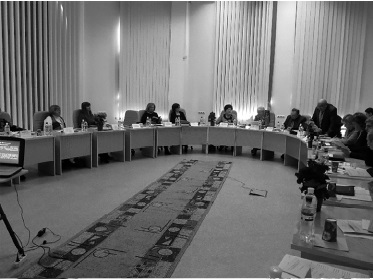
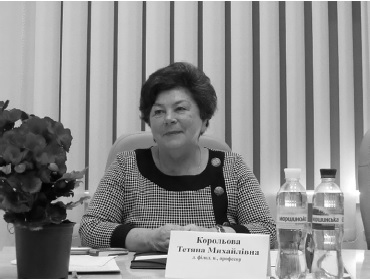
Звісно, столиця на Неві, де народилася 20 серпня 1946 року Тетяна Корольова, і в сорокових виглядала причепуреною. Давалася взнаки традиція, джерела якої нуртували побіля імперських стовпів в Санкт-Петербурзі. Про це нерідко випадало оповідати близьким і далеким. Коли перегодом працювала перекладачем у стінах всесоюзного селекційно-генетичного інституту, а відтак - Одеського Вищого командно-інженерного училища.
Коли випестила доля для неї любов до словесного образу і ширше - прагнення
до адекватної інтерпретації слова? Давно. Вона адекватно здійснювала переклад, коли відбувалися міжнародні зустрічі, що передбачали повноцінне відтворення змісту ділових контрактів, офіційних договорів. «Бог не теля - все бачить звідтіля». Так подейкують у моєму селі в горах. Тому й не дивно, бо Тетяна Корольова 1971 року завершила студії зі спеціальності «Англійська мова та зарубіжна література» Одеського державного університету ім. І. І. Мечникова. Тут відбулося її становлення як педагога та організатора Вищої школи в Україні. В 1974 - 1989 рр. пройшла ланки як викладача, так і доцента кафедри фонетики рідної альма-матер. Новий етап означений 1989 роком, коли розпочала працювати в Південноукраїнському державному педагогічному університеті ім. К. Д. Ушинського, де завідувала кафедрою іноземних мов, а відтак понад двадцять років - кафедрою перекладу і теоретичної та прикладної лінгвістики, а також деканом факультету іноземних мов того ж Храму науки й виховання. Вершинним став для неї 1990 рік, коли захистила докторську дисертацію: «Просодія модальності мовлення» в авторитетному Інституті мовознавства ім. А. А. Потебні НАН України. А наступного року отримала вчене звання професора по кафедрі іноземних мов (1991). Від 2009 року Тетяна Корольова - голова спеціалізованої вченої ради з захисту кандидатських дисертацій зі спеціальностей 10.02.15 - загальне мовознавство та 10.02.16 - перекладознавство.

... pdf


Yuliia Kukovynetspdf

Bachelor Student in Philology, State Institution “South Ukrainian National Pedagogical University named after K. D. Ushynsky”, Odesa, Ukraine
e-mail: Kukovynets.YS@pdpu.edu.ua
ORCID ID: https://orcid.org/0000-0002-1944-3640

Vladyslava Akkurt
Candidate of Philology, Senior Lecturer at the Department of Translation and
Theoretical and Applied Linguistics, State Institution “South Ukrainian National Pedagogical University named after K. D. Ushynsky”, Odesa, Ukraine
e-mail: Akkurt.VY@pdpu.edu.ua
ORCID ID: https://orcid.org/0000-0003-3542-3428

Olena Velychenko
Candidate of Philology, Lecturer at the Department of Translation and Theoretical and Applied Linguistics, State Institution “South Ukrainian National Pedagogical University named after K. D. Ushynsky”, Odesa, Ukraine
e-mail: velychenko.ov@pdpu.edu.ua
ORCID ID: https://orcid.org/0000-0002-8349-5621

DOI: https://doi.org/10.24195/2616-5317-2021-32-1


Key words: comic effect, translation transformations, humor, linguistic means of conveying the comic effect.


The article reveals the concept of comic effect, its types, techniques in fiction, as well as their differential features. In order to conduct a deep analysis of humor, the means of its transmission were identified and analyzed, that is, stylistic figures and artistic tropes. The author of the scientific paper revealed the essence of translation transformations, substantiated their role in conveying the comic effect in the literary text for children and adult readers, and also analyzed the features of conveying the comic effect using translation lexical, lexicalsemantic, grammatical, complex lexico-grammatical transformations and translation techniques.


REFERENCES

Barsukova, I. V. (2015). Perekladatskyi pidkhid do klasyfikatsii zhartiv [Translation approach to the classification of jokes]. Suchasni filolohichni doslidzhennia ta navchannia inozemnoi movy v konteksti mizhkulturnoi komunikatsii – Modern philological research and foreign language teaching in the context of intercultural communication. Zhytomyr [in Ukrainian].
Borev, YU. B. (1970). Komycheskoe yly o tom, kak smekh kaznyt nesovershenstvo myra, ochyshchaet y obnovlyaet cheloveka y utverzhdaet radost bytyya [The comic or how laughter punishes the imperfection of the world, purifies and renews a person and affirms the joy of being]. Moscow [in Russian].
Borysenko, N. D. (2010). Metodyka provedennya naukovykh doslidzhen [Methods of scientific research]. Zhytomyr [in Ukrainian].
Halaibida, O. V. (2015). Leksychne riznomanittia ukrainskoi movy u perekladakh
L. Solonka. [Lexical diversity of the Ukrainian language in translations of L. Solonko].
Naukovi pratsi Kamianets-Podilskoho natsionalnoho universytetu imeni Ivana Ohiienka: Filolohichni nauky: zbirnyk naukovykh prats – Scientific works of Kamyanets-Podilsky National University named after Ivan Ogienko: Philological sciences: a collection of scientific works. Kamyanets-Podilsky [in Ukrainian].
Komyssarov, V. N. (1990). Teoryya perevoda (lynhvystycheskye aspekty) [Translation theory (linguistic aspects)]. Moscow [in Russian].

Lyntvar, O. M. (2013). Vyrazhennia elementiv komichnoho v khudozhnomu teksti [Expression of comic elements in an artistic text]. Visnyk LNU imeni Tarasa Shevchenka – Bulletin of Luhansk Taras Shevchenko National University. Luhansk [in Ukrainian].
Lunhyna, L. Z. (1985). Bratya po skazke / R. Kyplynh“Mauhly”. A. Lyndhren“Karlson,
kotoryy zhyv?t na kryshe”. A. A. Myln “Vynny-Pukh y vse-vse-vse” [Brothers in a fairy tale / R. Kipling ‘Mowgli’. A. Lindgren ‘Carlson, who lives on the roof’. A. A. Milne. ‘Winnie-the- Pooh’]. Moscow [in Russian].
Miln, A. O. (1974). Vinni-Pukh ta yohodruzi [Winnie the Pooh and his friends]. Kyiv [in Ukrainian].
Miln, A. O. (19797). Vinni-Pukh ta yoho druzi [Winnie the Pooh and his friends]. Kyiv [in Ukrainian].
Propp, V. YA. (2011). Problemy komyzma y smekha [Problems of comic and laughter]. Moscow [in Russian].
Suslova, N. V., Usoltseva T. N. (2003). Noveyshyy lyteraturovedcheskyy slovar-spravochnyk dlya uchenyka y uchytelya [The latest literary dictionary-guide for the student and teacher]. Mozyr [in Russian].
Ushakova, D. N. (ed.). (1935-1940). Tolkovyy slovar russkoho yazyka [Explanatory
dictionary of the Russian language]. Moscow [in Russian].
Milne A. A. Winnie-the-Pooh. New York.

ISSN: 2664-2662
Linking ISSN (ISSN-L): 2616-5317

«Scientific Research Issues of South Ukrainian National Pedagogical University named after K. D. Ushynsky: Linguistic Sciences» has been published by South Ukrainian National Pedagogical University named after K. D. Ushynsky since 2005. Certificate of state registration of print media: Series КВ 24068-13908ПР (31. 07. 2019).


Full Issue  pdf


Content

pdfТЕТЯНА КОРОЛЬОВА ЯК ОСОБИСТІСТЬ: РИСИ ТВОРЧОГО ПОРТРЕТА


pdfГАРМОНІЯ ТВОРЧИХ УСТРЕМЛІНЬ СЛОВО ПРО ПЕДАГОГА: ПРОФЕСОР ЯН ҐЖЕСЯК

Микола ЗИМОМРЯ, Тетяна КОРОЛЬОВА


pdfRENDERING OF THE COMIC EFFECT WHEN TRANSLATING ENGLISH FICTION INTO UKRAINIAN

Yuliia Kukovynets, Vladyslava Akkurt, Olena Velychenko

DOI: https://doi.org/10.24195/2616-5317-2021-32-1


pdfMODAL ASPECTS OF INTERPRETATION OF POETIC TEXT

Victor Britsyn

DOI: https://doi.org/10.24195/2616-5317-2021-32-2


pdfPAVLO ZHYTETSKYI AND THE TYPOLOGY OF THE SLAVONIC LANGUAGES

Volodymyr Glushchenko

DOI: https://doi.org/10.24195/2616-5317-2021-32-3


pdfTHE PECULIARITIES OF RENDERING PHONETIC AND GRAPHICAL STYLISTIC DEVICES IN CHILDREN'S LITERAURE TRANSLATION

Ilona Derik, Yevheniia Savchenko

DOI: https://doi.org/10.24195/2616-5317-2021-32-4


pdfA NOTE ON SLAVIC WORD-FORMATION

Alexander Iliadi

DOI: https://doi.org/10.24195/2616-5317-2021-32-5


pdfPROSODY OF NEGATIVE MODALITY IN TRANSLATION

Tetiana Korolova, Natalya Zhmayeva

DOI: https://doi.org/10.24195/2616-5317-2021-32-6


pdfTRANSLATION SPECIFICITIES OF THE INNOVATIVE CHINESE SCIENTIFIC AND TECHNICAL TERMS (ON THE MATERIAL OF CHINESE, ENGLISH, GERMAN, UKRAINIAN AND RUSSIAN)

Oleksandra Popova

DOI: https://doi.org/10.24195/2616-5317-2021-32-7


pdfCORONAVIRUS AND THE GERMAN LANGUAGE

Natalia Romanova

DOI: https://doi.org/10.24195/2616-5317-2021-32-8


pdfA PHONETIC ANALYSIS OF PREPARED AND SPONTANEOUS SPEECH

Olena Steriopolo

DOI: https://doi.org/10.24195/2616-5317-2021-32-9


pdfSEMANTIC-SYNTACTIC COMPONENTS OF THE SITUATION FOR CONVEYING INFORMATION

Inna Stupak

DOI: https://doi.org/10.24195/2616-5317-2021-32-10


pdf

PRAGMATIC, LINGUAL CULTURAL SENSES AND ETHNIC SYMBOLS IN ARTISTIC TRANSLATION

Oleh Tyshchenko

DOI: https://doi.org/10.24195/2616-5317-2021-32-11


SEMANTIC SPECIFICITY OF ADJECTIVES DENOTING A SUCCESSFUL PERSON /THING IN ENGLISH AND UKRAINIAN
pdf

Myroslava Fabian

DOI: https://doi.org/10.24195/2616-5317-2021-32-12


pdfCOMPARISON OF THE POSSIBILITIES OF THE CONTEXTUAL METHOD USING IN THE TURKISH AND ENGLISH LEXICOLOGY

Tetyana Yablonska, Darya Iordanova

DOI: https://doi.org/10.24195/2616-5317-2021-32-13


REVIEW


pdfРезензія на монографію Т. М. Корольової, Т. В. Стоянової «Переклад юридичних документв ЮНЕСКО із захисту прав на освіту», Одеса, 2021До питання перекладу есе

Іван Бондаренко

DOI: https://doi.org/10.24195/2616-5317-2021-32-14


pdfГОВІРКА В ОБ’ЄКТИВІ ЛІНГВІСТИКИ рецензія на монографію Т. В. Громко «Методологія та досвід дескрипції говірки», Кропивницький, 2021

Олександр Білих

DOI: https://doi.org/10.24195/2616-5317-2021-32-15